

Time is not linear.
It is circular. It coils. It waits. It forgets. Then remembers everything.
And somewhere in the dark, behind a cork and beneath dust, time is learning how to speak.
We call it wine. But that word is far too small for what it truly is.
The Silence Between the Seconds
When a wine waits in the dark, it is not asleep.
It is listening.To itself. To the wood. To the temperature of the room. To gravity pulling down every molecule. To the faint breath of the cork as it gives and resists, gives and resists.
What’s happening in that bottle is not aging.
It is a becoming so slow, we mistake it for stillness.
But it is never still. Even when no one is watching, time is moving through it. And the wine is moving through time.
What We Taste Is What We’ve Forgotten
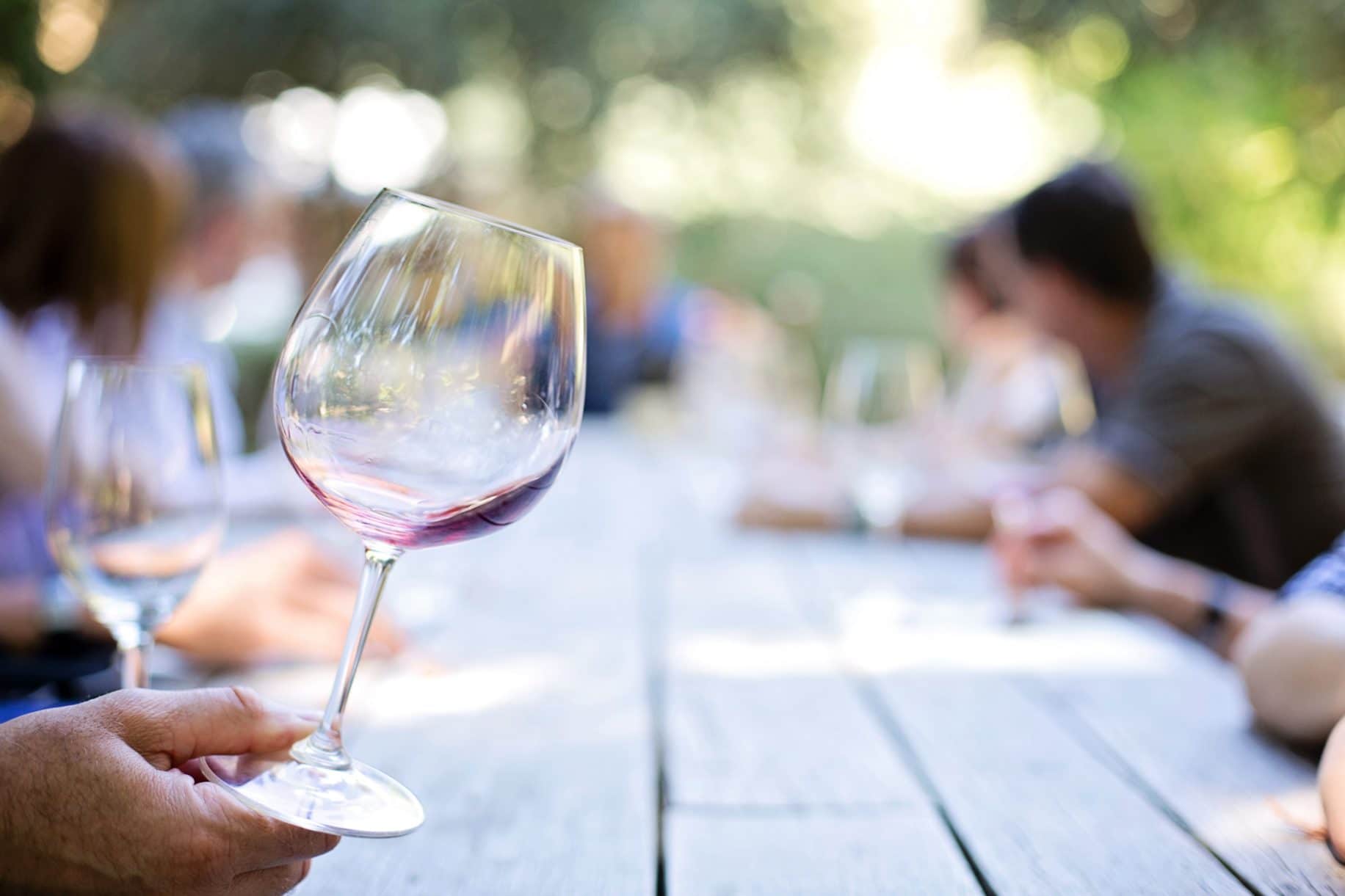
You lift the glass to your nose. You smell violets. Or forest floor. Or rain on dry stone.
But what you’re smelling is a moment that no longer exists.
Maybe it was a hot September morning in a vineyard no one will ever walk again.
Maybe it was the last harvest of an old man who died before the vintage was bottled.
Maybe the winemaker wept in the barrel room, and no one knew.
Wine records everything.
But it never explains itself.
It leaves clues: a line of acid. A faint bitterness. A perfume that vanishes mid-sentence.
It doesn’t tell you what happened. It just asks: “Do you feel it?”
The Land Is Speaking in a Language Older Than Words
There are places on earth where the soil has memory. Not in the poetic sense. In the physical one.
Chalk that was once ocean floor. Volcanic ash that once buried a civilization. Clay that held roots before humans had names.
Grapevines are translators.
They take the ancient silence of the land and turn it into something we can hold in a glass. We sip. And for one heartbeat, we understand something vast and wordless.
This is terroir — not the flavor of a place, but the spirit of it.
The Ritual of Waiting
We age wine because we want it to be better. But more truthfully, we age wine because we are afraid of endings.
We want to believe some things can get better with time.
That bitterness softens.
That sharpness yields.
That complexity is earned through years of pressure and silence.
So, we put the bottle down. We say, “Not yet.”
And then we wait.
Not just for the wine to change, but for ourselves to become the kind of people worthy of it.
Opening the Bottle Is the Most Human Thing We Do
There is a moment — always — right before the cork is pulled, when you feel the weight of the decision.

Once it opens, it begins to die. But only through dying can it finally speak.
And so, you open it. And as it pours — slow, glistening, alive —you realize:
You are drinking something that never expected to be remembered.
You are tasting a story that cannot be told again.
You are holding time itself in your hands.
And for one breathless instant, you are no longer in your life.
You are outside it.
Looking back. Looking in.
Tasting everything you’ve lost.
And everything you still have.
The Last Truth
Wine does not age. It waits.
For the right glass.
The right evening.
The right sorrow.
The right joy.
The right silence.
And when the moment is true, it speaks. Not in flavor. Not in aroma. Not even in memory.
It speaks in presence.
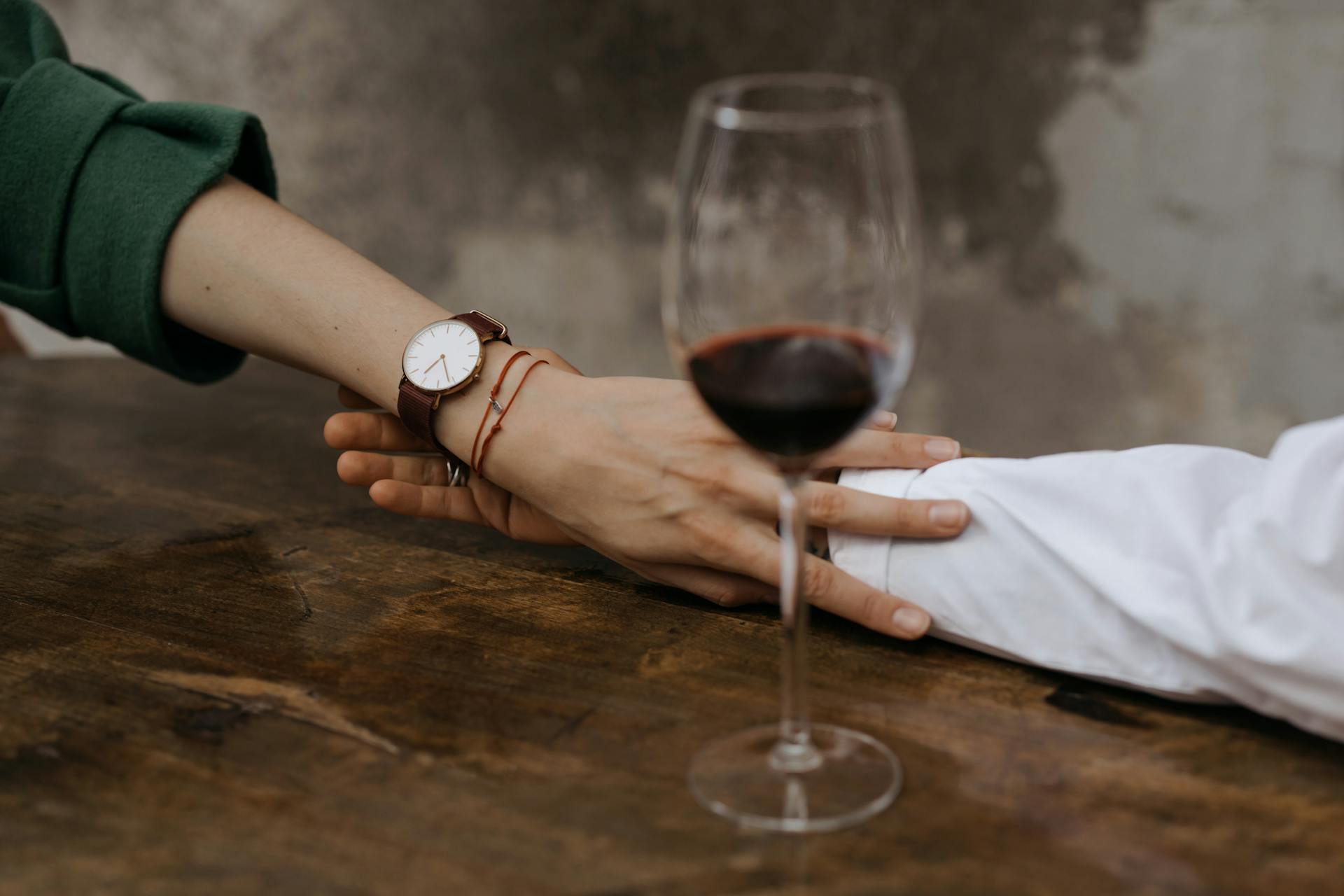
Because wine does not tell time the way clocks do. Wine tells time the way the body does. The way the heart does. The way the soul does.
Which is to say:
Not at all.
And yet—completely.