

For more than thirty years, wine has shaped my days—not just professionally, but existentially. I’ve come to measure time not in decades but in vintages. Wine became the lens through which I understood geography, history, craftsmanship, and, eventually, myself.
Until recently, I never questioned it. Wine was constant: a source of pleasure, a subject of study, a companion. But lately, I’ve found myself asking what I never dared ask before:
Why? Why does wine matter? And why does it still?
The answer is not just about flavor, nor nostalgia, nor luxury. It’s deeper—something elemental. Because in the end, wine is not only something we consume. It’s something we engage with. It reflects where it came from. And it reflects who we are.
A Taste of Place
At the heart of wine’s appeal is its singular connection to place. The French call it terroir—a word that encompasses more than soil. It includes climate, altitude, exposure, rainfall, and the microorganisms that shape fermentation. It includes the decisions made by the person tending the vines.
Two wines made from the same grape, grown a mile apart, can taste entirely different. Pinot Noir from Burgundy speaks in one voice: from Oregon, in another. Each bottle tells the story of a landscape.
This is wine’s first paradox: it’s a global commodity—and yet resolutely local. It’s agriculture, made articulate.
A Liquid Archive
Unlike beer, meant to be drunk fresh, or spirits, inert after bottling, wine evolves. It reacts to oxygen, softens or sharpens with age, and develops nuance—or loses it.
A bottle of 1996 Barolo is not just fermented grapes. It’s a message from a year gone by—one shaped by weather, decisions, and chance. To drink it is to experience a moment preserved. Wine becomes a liquid document: one part craft, one part accident, one part time itself.
Attention Required
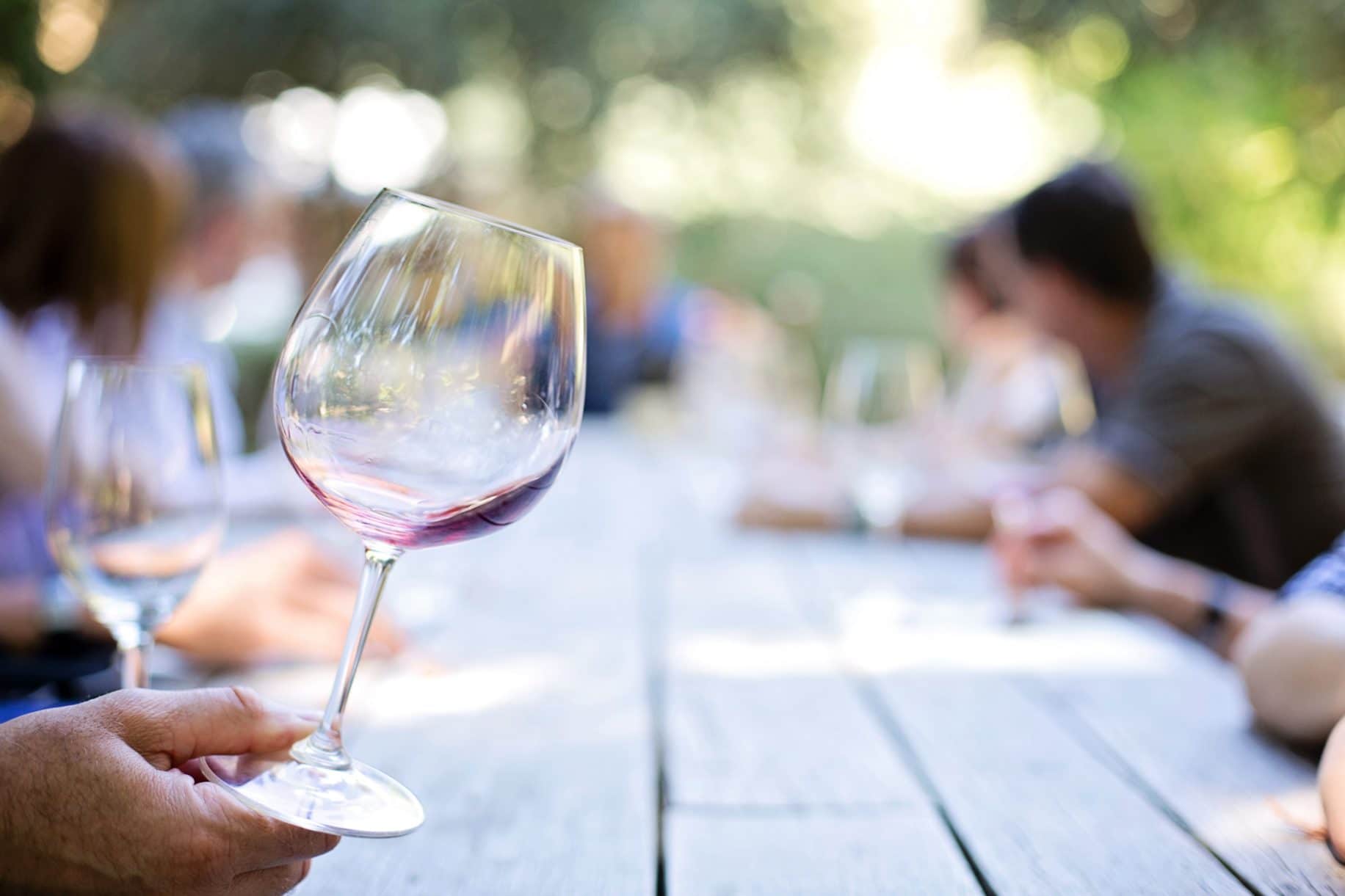
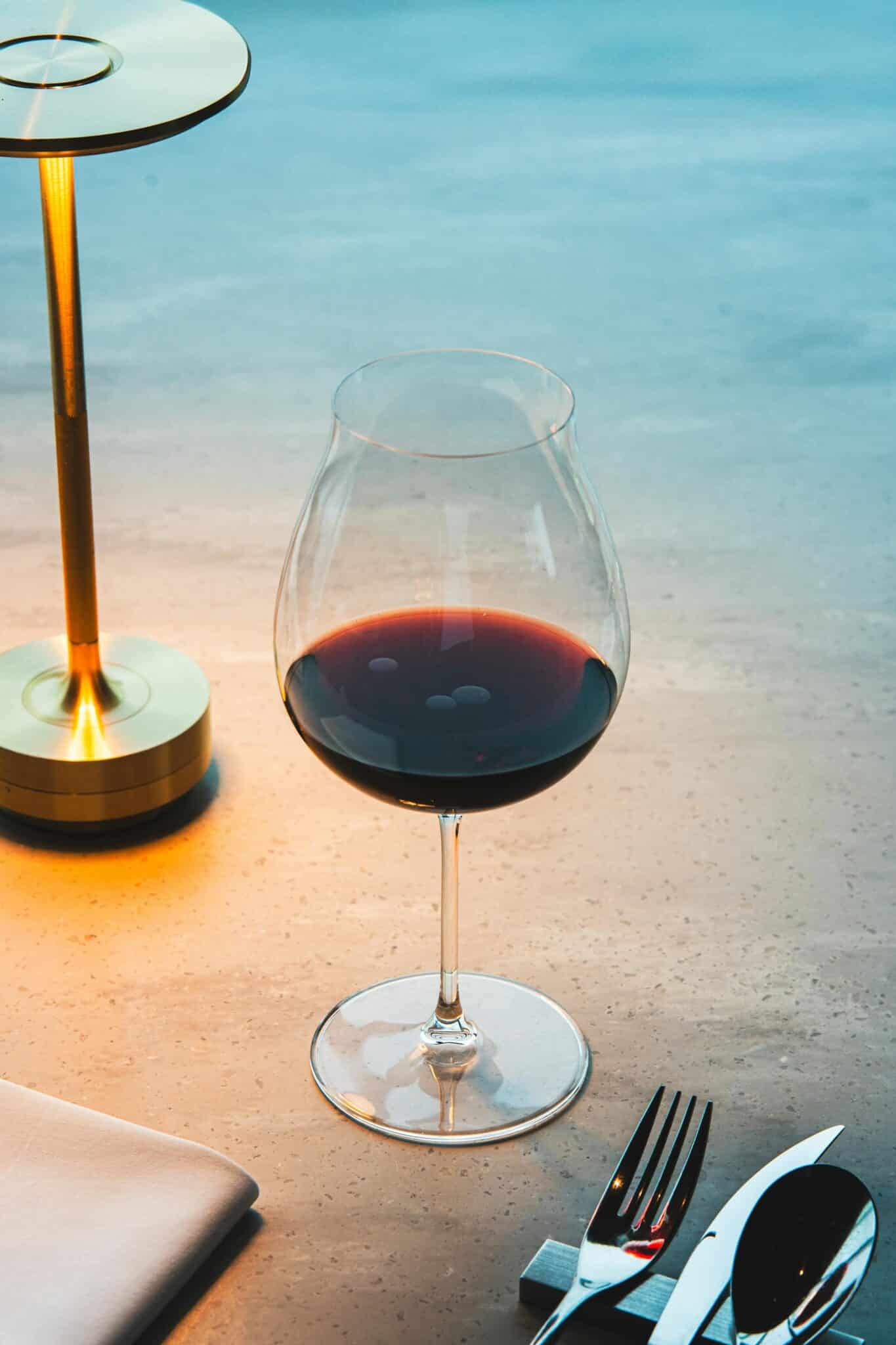
Wine demands something modern life resists: focus. The rituals—uncorking, swirling, waiting—aren’t mere affectations. They’re mechanisms for slowing down. They heighten perception.
Each glass offers a brief reprieve from acceleration. Color, aroma, texture, finish—all ask us to observe. In return, wine offers not just complexity, but clarity. Not distraction, but presence.
Culture in a Glass
Wine has been with us for millennia. From ancient Georgia to the Roman Empire, from monastic vineyards to global auctions, it has touched religion, trade, ceremony, and war. It has crowned emperors, blessed sacraments, and toasted revolutions.
It is one of the few substances as comfortable on the altar as at the dinner table. To drink wine is to participate in a shared human story—old, evolving, and unresolved.
Between Science and Instinct
Modern winemaking is precise. Every element—sugar, acid, tannin, temperature—is measured. Yet none of it guarantees greatness.
Wine resists formula. Two vintners can work the same site and make entirely different choices. One intervenes, the other abstains. One or both may succeed—and fail. This is what makes wine unique among luxury goods: it thrives in the tension between control and surrender.
What the Glass Reflects
Wine doesn’t just speak of where it’s from. It speaks to who’s drinking it.
Do you favor structure or spontaneity? Seek prestige or authenticity? Gravitate toward the known or the obscure? Your taste in wine—like your taste in books or design—is revealing.
Wine can be a form of self-expression. It can signal aspiration or rebellion, tradition or curiosity. It can be a mirror.
The Future, Fermenting
Wine is old, but not static. Climate change is redrawing the map of viticulture. AI monitors vineyards. Non-alcoholic wines are gaining credibility. Packaging is evolving. So are markets, tastes, and ethics.
Yet even amid reinvention, wine’s fundamental appeal endures – it is the product of land, labor, and time—and something more difficult to define.
Why It Still Matters
Wine matters not just because it tastes good. It matters because it carries meaning. Because it connects soil to story, person to place, memory to moment.
It rewards knowledge but doesn’t require it. It celebrates craft but isn’t purely rational. And above all, it invites us to slow down—and to pay attention.
That alone, in our time, may be enough.